Most people discover Winter Park on vacation. The people who stay discover something even better.
Every year, thousands of visitors fall in love with Winter Park.
They come for a ski trip. A mountain biking weekend. A summer concert. A few days on the trails.
Then something happens.
They start imagining what it would be like to spend more time here. Maybe a second home. Maybe a remote-work base. Maybe a full-time move.
And that's when the real questions begin.
What is Winter Park actually like year-round?
How difficult is winter driving?
Which neighborhoods make the most sense?
What's the difference between Winter Park and Fraser?
What don't the listing photos show?
After helping buyers and sellers navigate the Grand County market for more than two decades, I've learned that the happiest homeowners aren't necessarily the ones who bought the largest home or the most dramatic view.
They're the ones who understood the lifestyle they were buying into.
This guide will help you understand what life in Winter Park is really like—beyond the vacation experience.
Where Is Winter Park, Colorado?
Winter Park is located in Grand County, Colorado, approximately 67 miles northwest of Denver.
Nestled in the Fraser Valley and surrounded by the Rocky Mountains, the town sits at roughly 9,000 feet above sea level and serves as the home of Winter Park Resort, one of Colorado's most popular ski destinations.
Its location offers a unique balance that many mountain towns cannot match: world-class recreation combined with relatively easy access to the Front Range.
For many residents, that accessibility is a major reason they choose Winter Park over other Colorado mountain communities.
Is Winter Park a Good Place to Live?
For the right person, absolutely.
Winter Park appeals to people who value:
- Outdoor recreation
- Mountain views
- Community connection
- Four-season adventure
- A slower pace of life
- Access to skiing, hiking, biking, fishing, and golf
But like any mountain community, it comes with tradeoffs.
Living here means adapting to:
- Winter weather
- Higher elevation
- Seasonal tourism
- Limited housing inventory
- Mountain-town logistics
For most residents, however, the benefits far outweigh the challenges.
The lifestyle is the reason people stay.
What Is Winter Really Like?
This is often the first question buyers ask—and for good reason.
Winter is beautiful in Grand County.
It's also real.
The same snow-covered landscape that makes Winter Park magical can create challenges for newcomers who aren't prepared.
Winter Driving Is Part of Life
Highway 40 serves as the primary route through the Fraser Valley and connects Winter Park to Denver via Berthoud Pass.
On a sunny July afternoon, the drive feels easy.
In January during a snowstorm, it's a very different experience.
Winter driving often requires:
- Snow-rated tires
- Extra travel time
- Weather awareness
- Flexibility during storms
Most residents adapt quickly, but buyers should understand that winter conditions are part of everyday life in the mountains.
Snow Removal Matters More Than You Think
One of the most overlooked aspects of homeownership in Winter Park is snow management.
Driveway design, sun exposure, rooflines, HOA services, and neighborhood maintenance all affect how much work winter creates for homeowners.
These details rarely show up in listing photos, but they can significantly impact daily life.
The Truth About Elevation
Winter Park sits at approximately 9,000 feet above sea level.
For many newcomers, this becomes one of the biggest surprises.
Higher elevation can affect:
- Sleep quality
- Hydration needs
- Exercise performance
- Sun exposure
- Recovery time
Most people acclimate within a few days or weeks.
Still, it's important to understand that mountain living feels different than life at lower elevations.
Many buyers discover they drink more water, use more sunscreen, and take a little longer to adjust physically.
That's completely normal.
Winter Park vs. Fraser: Which Is Better?
This is one of the most common questions we receive.
The answer depends on your lifestyle goals.
| Winter Park | Fraser |
|---|---|
| More walkable | More residential feel |
| Closer to resort amenities | Often offers additional value |
| More restaurants and entertainment | Quieter atmosphere |
| Higher concentration of visitors | Strong local community feel |
| Easier access to downtown activities | Often larger variety of housing options |
Neither is objectively better.
They're simply different.
Some buyers prioritize walkability and convenience.
Others prefer privacy, value, and a more residential environment.
The best choice depends on how you plan to use the property.
What Daily Life Actually Looks Like
One of the biggest mistakes buyers make is assuming Winter Park feels the same year-round.
It doesn't.
Like most mountain communities, Winter Park follows a seasonal rhythm.
During ski season and summer, activity levels increase dramatically.
During spring and fall shoulder seasons, the pace slows.
For many locals, that's actually one of the best parts of living here.
The crowds thin out.
Parking becomes easier.
Restaurants feel more relaxed.
The community feels more connected.
These quieter months often provide the clearest picture of what everyday life in Winter Park actually looks like.
Trails Shape Life Here
One reason Winter Park remains active year-round is its incredible access to outdoor recreation.
The area offers hundreds of miles of trails for:
- Hiking
- Mountain biking
- Running
- Snowshoeing
- Cross-country skiing
For many residents, trail access becomes just as important as square footage or bedroom count.
Instead of asking, "How many bedrooms does this home have?"
Locals often ask:
"How quickly can I get outside?"
That mindset changes how people evaluate property here.
Dining and Community Extend Beyond Tourism
A common misconception is that Winter Park slows to a stop outside ski season.
It doesn't.
While some businesses operate seasonally, many local favorites remain active year-round. Restaurants, coffee shops, breweries, and gathering places continue serving residents long after visitors return home.
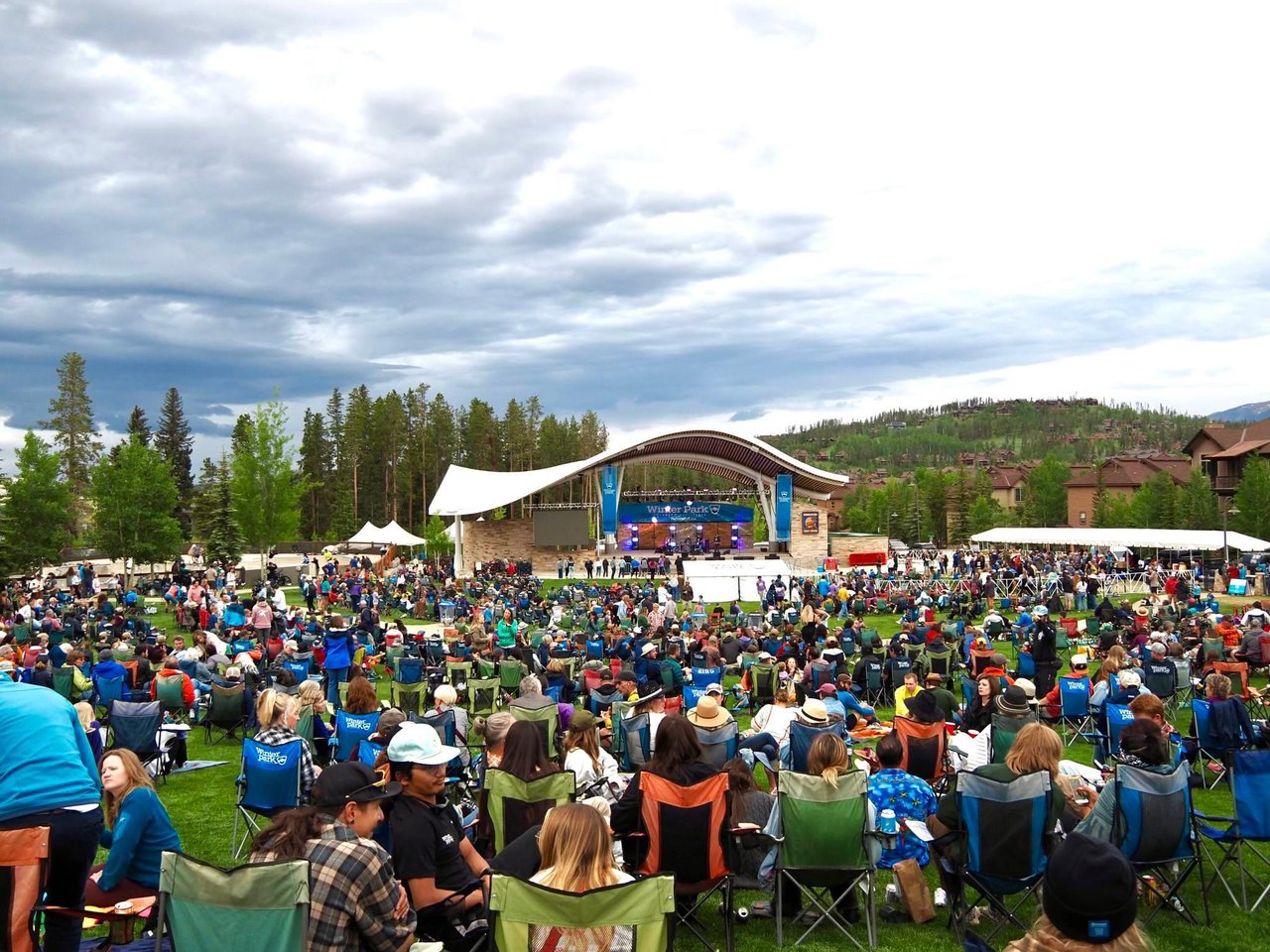
Community events, local festivals, concerts, markets, and gatherings help keep the calendar full throughout the year.
The result is a community that feels lived-in—not just visited.
What Buyers Get Wrong About Winter Park
After years of working with buyers, I've noticed a few recurring mistakes.
Mistake #1: Buying Based Solely on Ski Access
Ski access matters.
But if you'll spend twelve months here and ski for four, your decision should consider the entire year.
Mistake #2: Ignoring Daily Convenience
Trail access, restaurants, grocery stores, schools, transit, and community amenities often influence long-term satisfaction more than buyers initially expect.
Mistake #3: Underestimating Winter Maintenance
Snow removal, roof loads, driveway access, and winter preparedness should all be evaluated before purchasing.
Mistake #4: Not Understanding Neighborhood Differences
Two homes may have similar square footage and pricing while offering completely different lifestyles.
Mistake #5: Treating Every Mountain Town the Same
Winter Park, Fraser, Tabernash, Granby, and Grand Lake all offer unique experiences.
Understanding those differences helps buyers make smarter decisions.
The Best Areas to Live Near Winter Park
Downtown Winter Park
Ideal for buyers who value walkability, dining, entertainment, and convenient access to recreation.
Lakota
Known for its proximity to Winter Park Resort and mountain-focused lifestyle.
Rendezvous
Popular for trail connectivity, community amenities, and access to both Winter Park and Fraser.
Winter Park Ranch
Offers larger lots, privacy, and a more residential feel.
Fraser
Appeals to buyers seeking value, community, and year-round livability.
Tabernash
Often attracts buyers looking for larger parcels, golf access, mountain views, and additional privacy.
Pole Creek
Highly sought-after for golf course living, expansive views, and luxury mountain homes.
Grand Lake
Ideal for those who envision boating, lake access, and small-town mountain charm.
Cost of Living in Winter Park
Winter Park is generally more expensive than many Front Range communities.
Housing is typically the largest factor.
Buyers should also consider:
- Utilities
- Snow removal
- Insurance
- HOA costs
- Property maintenance
- Seasonal services
That said, many residents believe the quality of life, recreation access, and long-term appeal justify the additional costs.
Should You Move to Winter Park?
The better question might be:
What kind of life are you trying to build?
If your ideal weekend includes mountain trails instead of traffic.
If you value outdoor recreation over long commutes.
If you want your children to grow up surrounded by mountains.
If you want more adventure, more connection, and more time outside.
Then Winter Park may be exactly what you're looking for.
The people who thrive here aren't just buying real estate.
They're creating a different way of living.
And that's what makes this place special.
Frequently Asked Questions About Living in Winter Park, Colorado
Is Winter Park, Colorado a good place to live year-round?
Yes. Winter Park offers year-round recreation, strong community connections, outdoor access, and a unique mountain lifestyle that appeals to both full-time residents and second-home owners.
How far is Winter Park from Denver?
Winter Park is approximately 67 miles from Denver. Travel times typically range from 90 minutes to two hours depending on weather and traffic conditions.
What is winter like in Winter Park?
Winter is snowy, active, and beautiful. Residents should expect regular snowfall, winter driving conditions, and colder temperatures, along with excellent skiing and outdoor recreation opportunities.
How much snow does Winter Park get each year?
Winter Park Resort averages more than 300 inches of snowfall annually, although totals vary by season and elevation.
What elevation is Winter Park, Colorado?
Winter Park sits at approximately 9,000 feet above sea level.
How long does it take to adjust to the altitude?
Most people begin adjusting within several days, although full acclimation can take a few weeks depending on the individual.
Is Winter Park walkable?
Certain areas are highly walkable, particularly downtown Winter Park and neighborhoods close to restaurants, trails, and transit.
Can you live in Winter Park without skiing?
Absolutely. Many residents enjoy hiking, biking, fishing, golf, boating, snowshoeing, community events, and mountain living without being avid skiers.
Is Winter Park a good place for remote workers?
Yes. Many remote workers choose Winter Park for its recreation access, quality of life, and proximity to Denver.
What is mud season in Winter Park?
Mud season refers to the spring shoulder season when snow melts, trails begin drying out, and visitor traffic slows significantly.
Are restaurants open year-round in Winter Park?
Many restaurants and businesses operate year-round, although some seasonal businesses adjust their hours or temporarily close during shoulder seasons.
Is Winter Park expensive?
Winter Park generally has a higher cost of living than many Colorado communities due to housing demand and its location as a mountain resort destination.
What are the best neighborhoods in Winter Park?
Popular areas include Downtown Winter Park, Lakota, Rendezvous, Winter Park Ranch, Fraser, Tabernash, Pole Creek, and Grand Lake.
Should I live in Winter Park or Fraser?
Winter Park typically offers more walkability and resort access, while Fraser often provides a quieter atmosphere and additional housing value.
Is Winter Park a good place to retire?
Many retirees appreciate Winter Park's active lifestyle, recreation opportunities, mountain scenery, and strong sense of community.
What should I know before moving to Winter Park?
Buyers should understand winter driving, elevation, mountain weather, seasonal tourism patterns, neighborhood differences, and year-round living considerations before making a purchase.
Is Winter Park a good place to buy a second home?
Yes. Winter Park remains one of Colorado's most desirable mountain destinations for second-home ownership due to its recreation, accessibility, and long-term appeal.
Are there family-friendly neighborhoods in Winter Park?
Yes. Winter Park, Fraser, and Tabernash all offer neighborhoods that appeal to families through access to schools, parks, trails, and community amenities.
What makes Winter Park different from other Colorado mountain towns?
Winter Park combines world-class recreation, close proximity to Denver, a strong year-round community, and a lifestyle that balances adventure with everyday livability.
Is now a good time to buy real estate in Winter Park?
The right time to buy depends on your goals, timeline, and lifestyle needs. Working with a knowledgeable local advisor can help you identify opportunities regardless of market conditions.